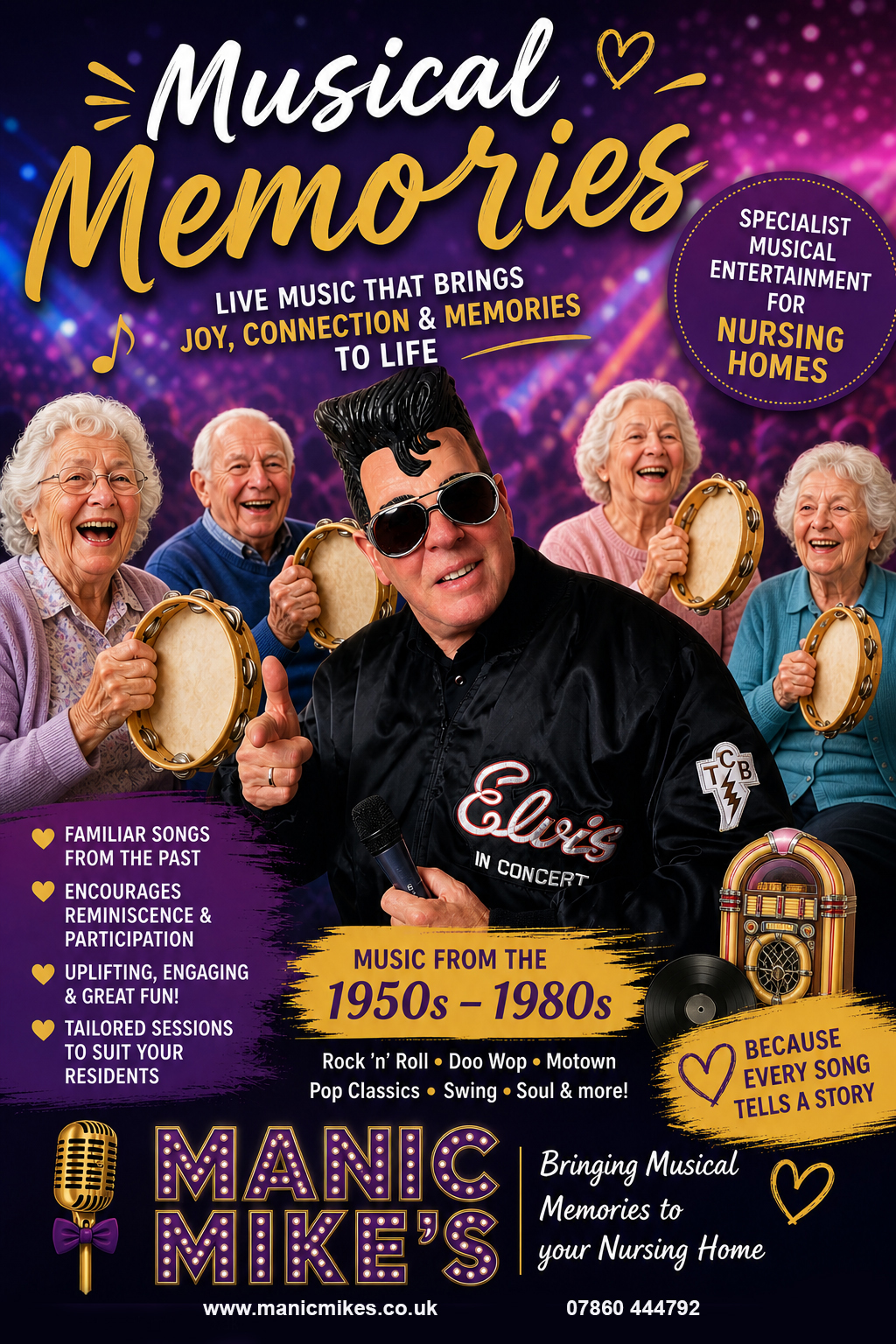
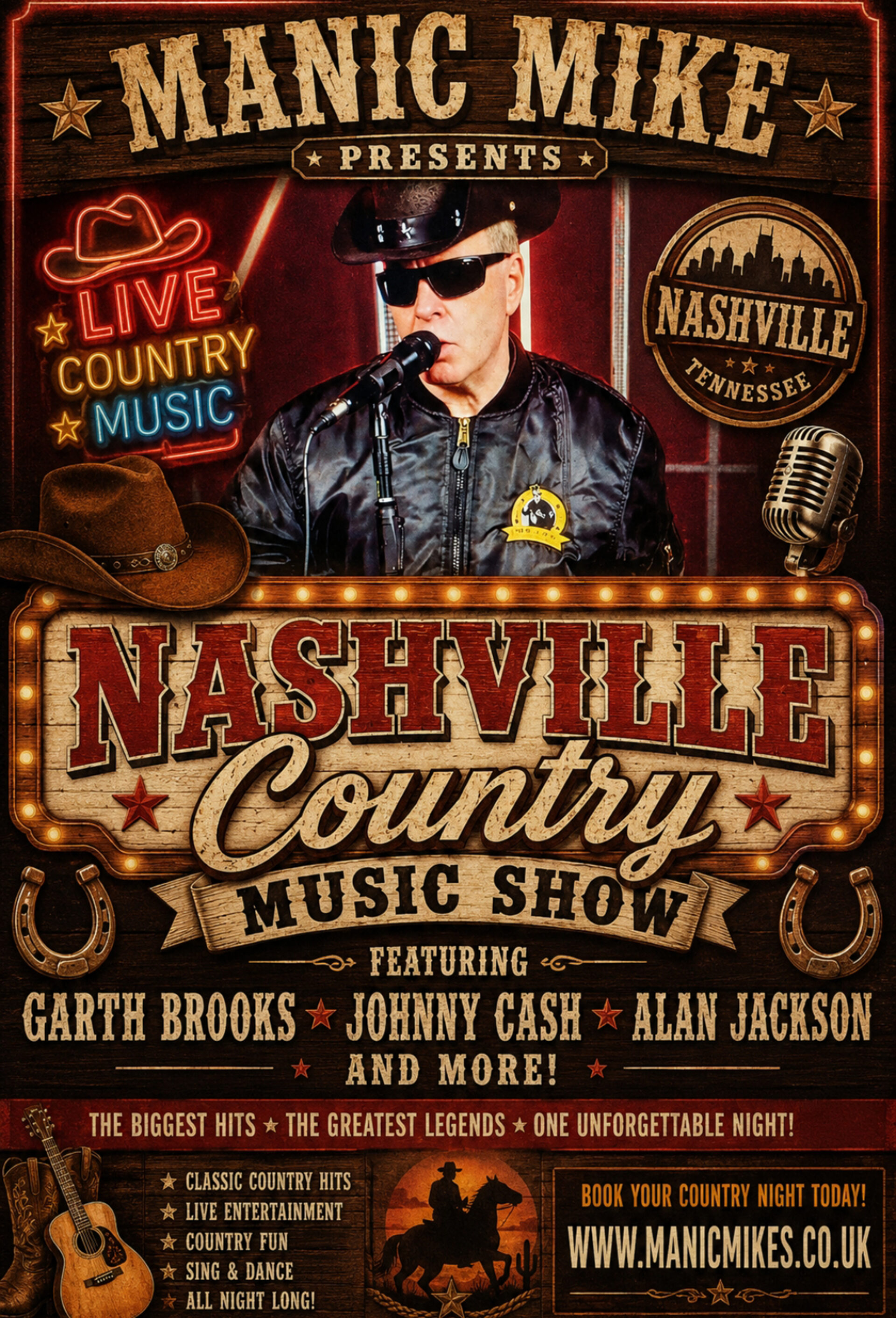
A pub night can look busy at 8pm and feel flat by 9.15. That is usually the moment landlords realise music alone is not the same as entertainment. The best pub entertainment formats do more than fill the room - they keep people in it, get them talking, and give them a reason to come back next week with friends.
If you run a pub in Kent, whether you are in Ashford, Maidstone, Folkestone or a nearby town, the real question is not just what sounds fun. It is what suits your crowd, your layout, your staffing, and your wet-led or food-led trade. A brilliant format in one venue can fall completely flat in another. That is why choosing properly matters.
What makes pub entertainment actually work?
The best nights have one thing in common - people feel involved. That does not always mean dragging everyone on stage or turning the place into a full-blown cabaret every Friday. It means the entertainment gives customers a role. They sing, vote, shout answers, request tunes, join in with themed moments, or simply feel part of the atmosphere rather than sat next to it.
That is also where plenty of venues get it wrong. They book entertainment that looks fine on paper but asks too much of the room, or worse, gives the crowd nothing to do. A singer in the corner can be lovely for a Sunday afternoon. It is less useful if your goal is a packed Saturday with higher bar spend and a louder buzz.
1. Hosted karaoke is one of the best pub entertainment formats
Karaoke works because the crowd writes half the night for you. Every singer brings a little drama, a little laughter, and usually a few supporters to the bar. When it is properly hosted, it stops being a machine in the corner and turns into an event.
That hosting part matters more than many pubs realise. Good karaoke is not just pressing play and hoping somebody brave enough tackles Sweet Caroline. It needs pace, encouragement, humour, and enough crowd reading to know when to let the big singers shine and when to coax in the shy table near the fruit machine.
This format is especially strong for pubs that want regular weekly trade. People return because they know the night changes depending on who turns up. It feels fresh without you having to reinvent the wheel every week. The trade-off is that karaoke can struggle if your audience is very reserved or if the host lacks presence. A quiet room needs confidence behind the mic, not dead air.
2. Quiz nights still pull a dependable crowd
There is a reason quizzes never really disappear. They are easy to understand, they suit mixed age groups, and they encourage long dwell time. Teams arrive early, hold tables, order drinks through the rounds and often stay afterwards if the room keeps its energy.
The trick is avoiding the tired pub quiz formula that feels like homework with chips. Better quiz nights have personality. A lively host, music rounds, themed rounds, quickfire moments and a bit of banter make all the difference. Done right, a quiz can appeal to the after-work crowd, local regulars and groups who want a sociable night without full-on partying.
If your venue in Canterbury or Maidstone leans more conversation-friendly than dancefloor-heavy, this can be a very smart choice. Just remember that quizzes tend to attract planners rather than spontaneous walk-ins. They need promotion and consistency.
3. Interactive disco and party games nights
A standard disco gives people music. An interactive disco gives them a night out. That is a big difference. When the DJ also hosts, works the room, builds in singalongs, crowd games, requests, themed moments and a bit of cheeky audience participation, the evening becomes far more memorable.
This format suits pubs that want a bigger event feel without booking a full band. It is also ideal for mixed crowds because it can flex in real time. If the younger end of the room wants floor-fillers and the regulars are loving a bit of 80s cheese, a strong host can bridge that gap without losing either side.
That flexibility is why this style works so well for themed pub nights, bank holidays, Christmas parties and venue relaunches. It creates movement and atmosphere, but it does rely on the entertainer being more than just a playlist operator. Showmanship counts.
4. Theme nights bring people out for a reason
Themed entertainment gives people an excuse to leave the sofa. A 70s disco night, 80s party, singalong cheese night, Halloween special or nostalgia evening instantly tells people what sort of fun they are turning up for. That clarity helps with promotion and often boosts fancy dress, group bookings and social sharing.
For pubs around Folkestone and the wider Kent coast, themed nights can be especially useful during quieter periods when you need something more specific than just live music Friday. They also help venues shape their audience. A soul and Motown night attracts a different room from a club classics night, and that is not a bad thing. It lets you programme more deliberately.
The catch is that not every theme has repeat value every month. Some work brilliantly as occasional event nights rather than regular weekly fixtures. You need enough variety to keep the idea fresh.
5. Cabaret-style hosted nights for bigger personalities
Some pubs need more than background entertainment and more than a straightforward disco. They need a host who can carry the whole room. Cabaret-style pub entertainment blends music, crowd interaction, comedy, games and performance into one lively package.
This format is ideal when the pub wants to become known for a proper night out rather than just a place with entertainment on. It is particularly effective for larger function spaces, ticketed evenings, holiday park venues and pubs that already have customers who enjoy getting involved.
Of course, it is not for every room. A tiny village pub with a very quiet, chatty local crowd may prefer something gentler. But if your customers like a bit of sparkle, a lot of laughs and that feeling that anything could happen next, cabaret-style hosting is hard to beat.
6. Live singers and tribute-style performances
A good live vocalist can still be a great pub booking. There is an immediacy to live singing that people enjoy, especially for afternoon sessions, special events and more mature audiences. Tribute-style sets can also work well if the act is convincing and the crowd already loves the material.
This format tends to be strongest when people are happy to watch as well as listen. That makes it a good fit for Sunday entertainment, community-focused venues, or pubs serving an older audience who enjoy familiarity and nostalgia. In parts of Kent where pubs host mixed social clubs or community gatherings, that can be a very reliable crowd-pleaser.
The downside is that it can become passive if the performer does not engage the room. People may clap, enjoy it, and still head off early. If your goal is maximum participation and a high-energy atmosphere, a singer alone may not go far enough.
7. Bingo with a twist
Traditional bingo has had a bit of a glow-up, and pubs are wise to pay attention. Music bingo, comedy bingo and themed bingo nights bring in customers who might never turn up for karaoke or a disco. It is easy to join, low-pressure and surprisingly lively when hosted properly.
This is one of the best pub entertainment formats for venues trying to widen their audience. It appeals to groups, works on quieter midweek nights, and can be tailored for anything from retro tracks to Christmas specials. It is also less intimidating than open-mic style events, which makes it useful for pubs with a more reserved customer base.
The risk is making it feel too slow or too predictable. Like quizzes, bingo lives or dies on pacing and personality.
How to choose the best pub entertainment formats for your venue
Start with your customers, not your personal taste. A landlord might love indie bands, but if the regular Friday crowd wants to sing, dance and join in, booking based on preference rather than trade is asking for trouble.
Look at three practical things. First, how interactive is your audience already? Second, what does the room physically allow? Third, what does success look like - more bar spend, more footfall, a younger crowd, or stronger midweek trade? Those answers narrow things down quickly.
It is also worth thinking in terms of rotation rather than one silver bullet. A pub in Ashford might run quizzes on Thursdays, karaoke twice a month, and a themed interactive disco on bank holidays. That gives regulars variety without confusing the diary.
If you want the strongest all-rounder, interactive hosted entertainment usually wins. It gives you music, momentum and personality in one booking. That is why so many venues move away from plain discos once they see what a properly run, participation-led night can do. It keeps the room alive.
One thing I have learned after years of entertaining mixed crowds is simple - people remember the nights they were part of. Not the ones where they sat nursing the same pint while somebody played songs at them. Give your customers a reason to sing, laugh, shout, join in and stay for one more round, and your pub night starts doing the job it should.