A village fête can have brilliant stalls, a worthy raffle and enough cake to feed Ashford for a week, yet still feel flat if there is no reason for people to stop, join in and stay. The best community event entertainment ideas do more than fill a timetable. They create those little moments people retell afterwards: Dad belting out Sweet Caroline, the children winning a daft dance-off, or Nan recognising the first notes of a favourite 1960s tune.
For organisers, the job is not simply to book something noisy. It is to give a mixed crowd a shared experience without making anybody feel left out. That takes a little planning, some confidence and entertainment with more personality than a playlist on shuffle.
What makes community entertainment work?
Community events are gloriously mixed bags. You may have toddlers armed with glow sticks, teenagers pretending not to enjoy themselves, parents watching from the side-lines, and older residents who know every word to the classics. Entertainment needs a clear centre, but enough flexibility to move with the crowd.
The sweet spot is participation without pressure. A good host invites people in, reads the room and never turns a quiet guest into the unwilling star of the show. Music, games and announcements should help people feel part of the occasion, whether they are dancing in front of the speakers or chatting near the tea tent.
Practical details matter too. A school field in Maidstone, a community hall in Folkestone and a pub garden in Canterbury all have different space, power, sound and weather considerations. Ask early about access, set-up times, shelter and noise limits. A lively event should be remembered for the fun, not for upsetting the neighbours or discovering the extension lead will not reach.
12 community event entertainment ideas worth booking
1. An interactive roadshow disco
A proper hosted disco is far more than background music. With a DJ who can take requests, introduce activities, keep the pace moving and get the crowd involved, it becomes the backbone of the whole event. It works particularly well for community celebrations where people arrive and leave at different times.
The trade-off is that a passive DJ can leave the organiser doing all the hosting. Choose someone comfortable on the microphone, with professional sound and lighting, who knows when to lift the energy and when to let a conversation-friendly track breathe.
2. Karaoke with a confident compère
Karaoke is a magnificent leveller. It gives the born performer a spotlight, the shy singer a nudge from their mates, and everyone else a reason to cheer. Keep it friendly rather than fiercely competitive, especially at family events. Duets, group numbers and themed rounds make it much less intimidating.
For pub nights, holiday parks and fundraising evenings across Kent, karaoke can also keep people on site longer. The key is a big enough backing-track library to handle requests beyond the obvious crowd-pleasers, plus a host who can keep the queue fair and the mood buoyant.
3. Decades-themed music shows
A 1950s, 1960s, 1970s or 1980s party gives an event instant character. Add themed props, costumes, quizzes and a playlist people recognise within seconds, and you have a simple way to turn a hall into a proper occasion.
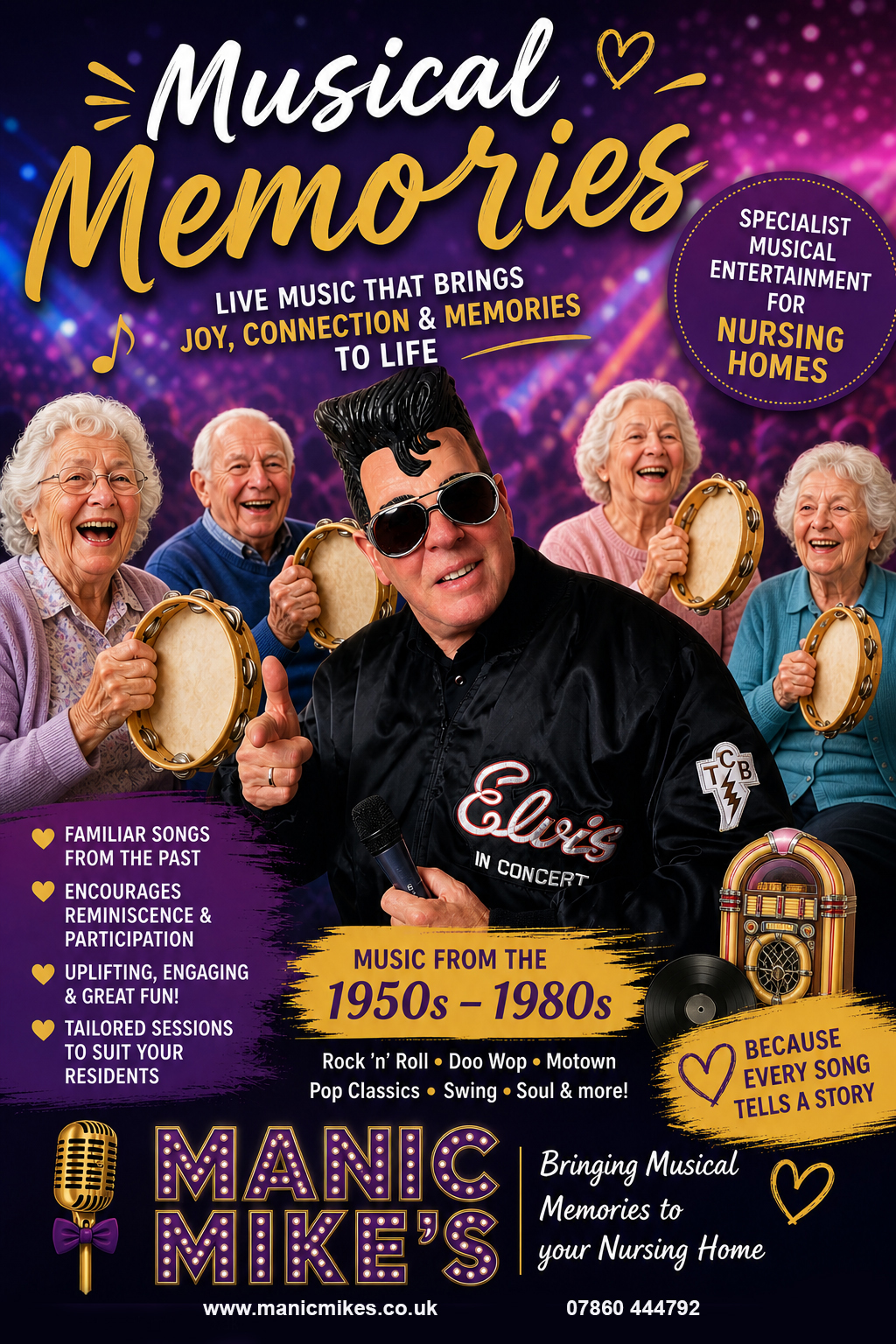
These shows are especially effective for care homes, lunch clubs and community groups because nostalgia opens doors. A familiar song can prompt singing, dancing, conversation and memories that might otherwise stay tucked away. For mixed ages, choose a broad decade theme and make room for modern favourites later in the programme.
4. A family dance-off
You do not need a polished dance floor or a panel of judges in sequins. Short, silly dance-offs between families, tables or age groups bring instant laughter. Think best twist, funniest dad dancing or a freeze-dance challenge for the little ones.
Keep rounds quick and prizes modest. The point is the cheer, not a trophy worthy of the FA Cup. A good host can make even the most reluctant dancer feel like they have won something.
5. Music bingo
Music bingo is ideal when you want engagement without asking everyone to get up and perform. Instead of calling numbers, play song clips and let guests mark the titles or artists on their cards. It suits seated events, community lunches and early-evening sessions where conversation is part of the appeal.
It also gives organisers an easy way to include local sponsors through donated prizes. Just make the rules clear, keep clips recognisable and avoid making the game so difficult that the room gives up after five minutes.
6. A themed quiz with music rounds
A quiz can be terrific, but it needs pace. Long sheets of obscure questions are a reliable route to people checking their phones. Break it into short rounds, add picture questions, local history and a fast music intro round, then use the microphone to keep the room moving.
For a Kent community event, a few local questions can spark friendly rivalry without excluding newcomers. Balance them with familiar general knowledge so the winning team is not simply the one that has lived there longest.
7. Games hosted from the stage
Simple games are often the secret weapon at a fundraiser, fun day or Christmas gathering. Heads and tails, name-that-tune, pass-the-parcel for adults, prize draws and audience challenges are inexpensive but work best with an entertainer who can build anticipation.
Do not cram every game into the same half-hour. Scatter them between music sets, food service or raffle announcements. That rhythm stops dead patches and gives people a reason to look up from their table.
8. A community talent spot
Your area is probably full of singers, dancers, comedians and performers who would love a friendly slot. A short talent spot can showcase local people while giving your event a real sense of ownership. Set a clear time limit, arrange a soundcheck and have a host ready to bridge any awkward pauses.
This idea depends on organisation. If acts are not confirmed beforehand, do not rely on spontaneous bravery alone. A mixed bill of five short performances is usually more enjoyable than one untested 25-minute set.
9. Children’s party games with music for adults too
At family events, children need a chance to burn off energy. Musical statues, conga lines, limbo and bubble-filled dance breaks can do the job beautifully. But do not make the mistake of turning the entire event into a nursery session while the adults drift towards the exit.
Build children’s activities into focused bursts, then follow them with music and games that appeal across generations. Everybody gets their moment, and parents are far more likely to relax and enjoy themselves.
10. A singalong finale
Few things bring a crowd together like a big, unashamed singalong. Pick songs with choruses people know, put the words on display if possible, and let the room do the heavy lifting. It is particularly strong at the end of a village celebration, charity night or seasonal event.
The best finale depends on the audience. A care setting may favour wartime standards or 1960s classics, while a pub crowd may want Britpop, rock anthems or party favourites. Read the room - never force a song because it looked good on a planning sheet.
11. Props, themes and a proper photo moment
People love evidence that they had a good time. A themed photo area, novelty hats, inflatable instruments or decade-specific props can give guests an easy excuse to mingle and take pictures. It is a small detail that makes the event feel more considered.
Keep it tidy and supervised. Props should add fun, not create trip hazards or leave organisers clearing up a mountain of broken plastic after midnight. Quality beats quantity every time.
12. A hosted programme that ties it all together
This is the idea behind the ideas. You can book a singer, a quiz, games and a disco separately, but somebody still needs to connect the dots. A warm, energetic host turns a schedule into a show, welcomes people, plugs the raffle, introduces local groups and makes the whole event feel intentional.
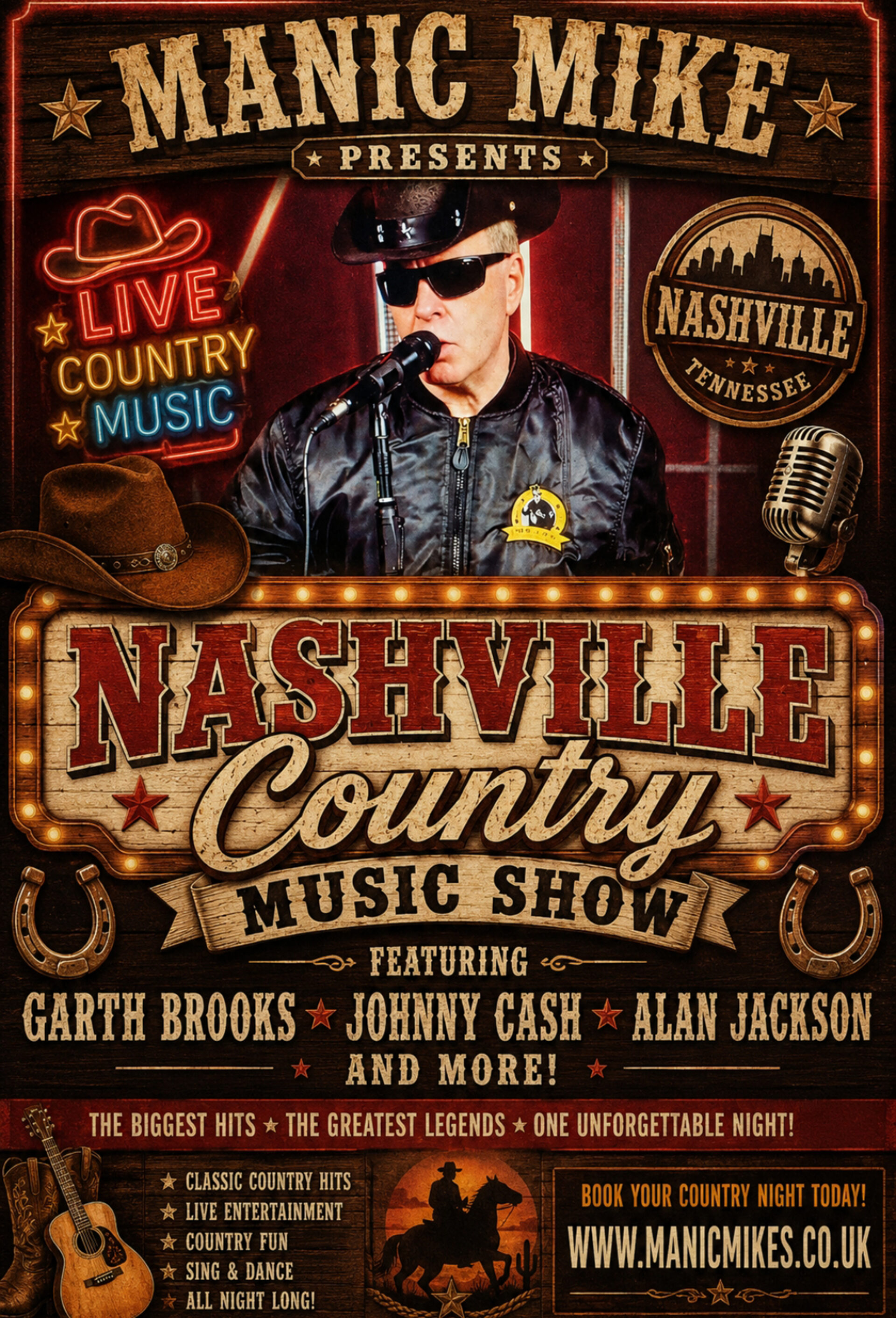
That is why an interactive entertainment package can be better value than several disconnected bookings. At Manic Mike's, the aim is not to stand behind a deck looking mysterious. It is to bring the music, karaoke, lights, props and cheeky crowd interaction together so organisers can actually enjoy their own event.
Plan for the people, not just the programme
Before booking, picture the actual crowd rather than the ideal one. How many will be seated? Are there residents with mobility needs? Will children be present? Is the event raising money, building local connections or simply giving people a cracking night out? Your answers should shape the entertainment.
Also agree the boundaries. Confirm start and finish times, suitable volume, indoor or outdoor contingencies, power requirements, public liability insurance and who is responsible for announcements. Reliable entertainers will welcome these questions because they prevent last-minute panic.
A community event does not need a huge budget to feel huge. Give people a song they know, a reason to laugh with strangers and a host who is not afraid to bring the room together. Do that, and next year's committee meeting may be the first one where volunteers are fighting to help.