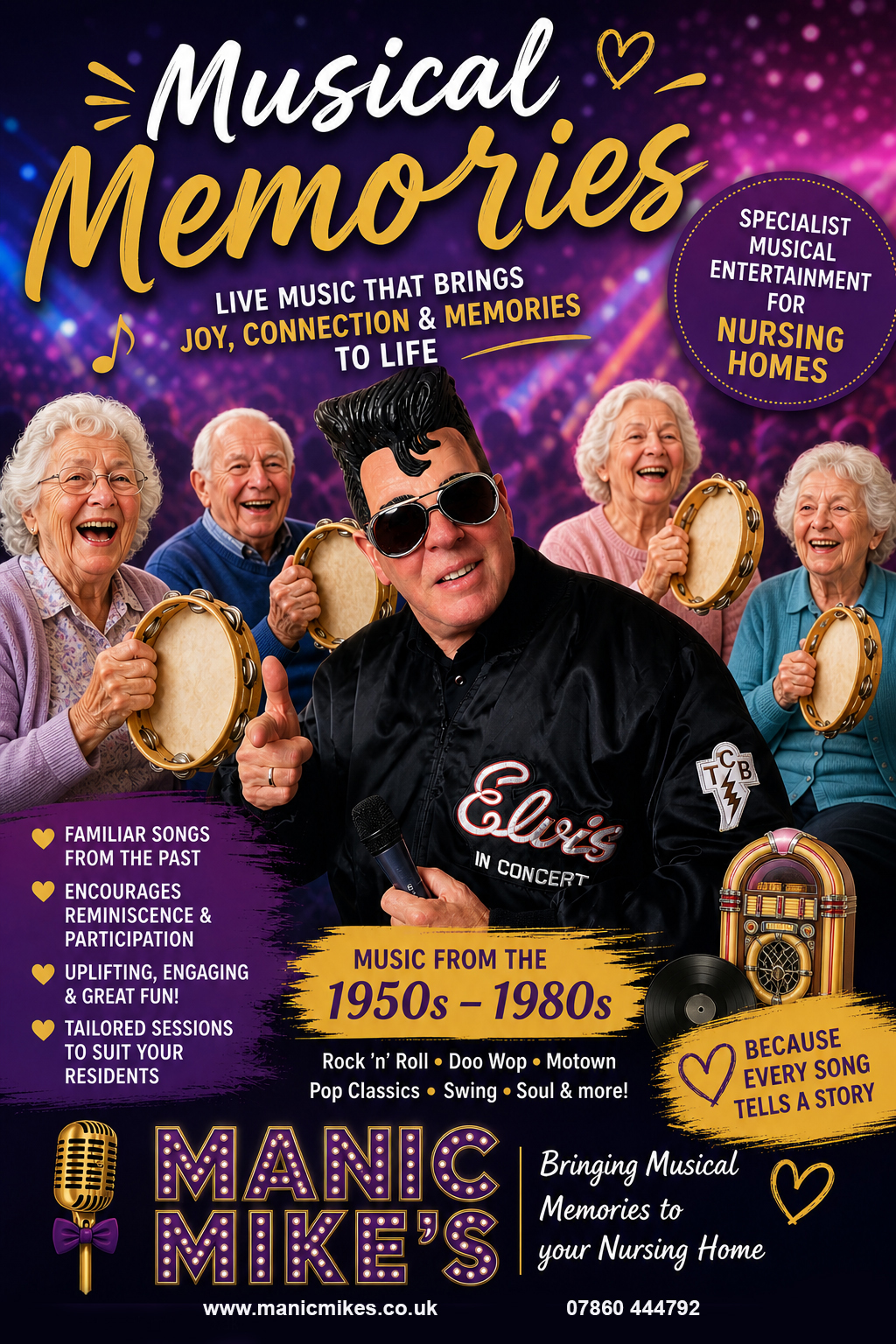
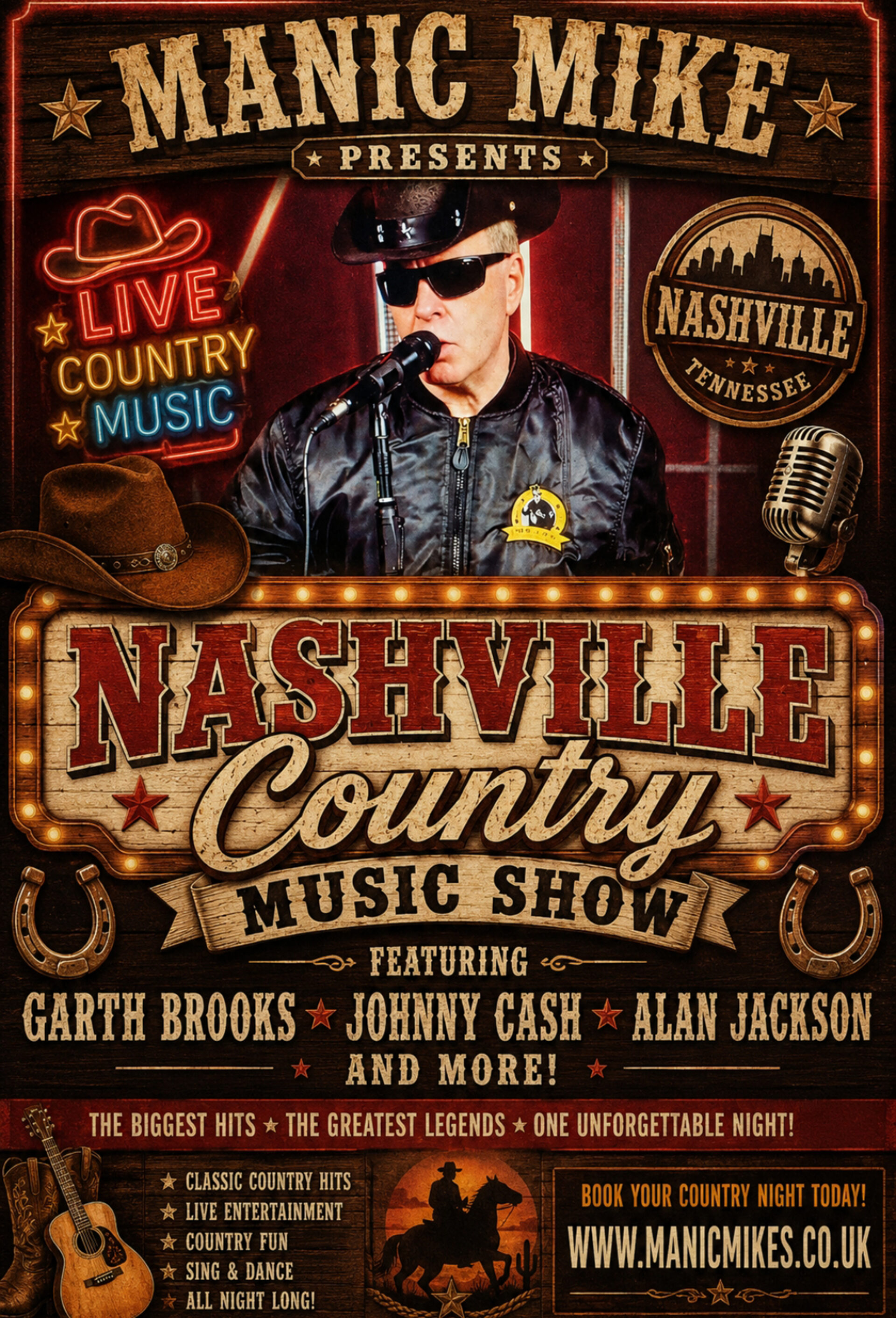
The bingo has finished, the bar is busy, children are still buzzing around and grandparents have claimed the best seats. This is the moment music entertainment for holiday parks either brings everyone together or leaves half the room staring at their phones. A playlist alone will not carry a holiday park evening. Guests need a reason to stay, join in and remember the night when they pack the car to go home.
For parks across Kent, from the coast near Folkestone to busier family sites around Ashford and Canterbury, the best entertainment has one job: make a mixed crowd feel like it belongs in the same room. That takes more than pressing play on a few floor-fillers.
Why holiday park entertainment needs a proper host
Holiday parks have one of the trickiest audiences in live entertainment. On any given night, you may have toddlers demanding a dance-off, teenagers testing the edges of the dancefloor, parents who want a proper night out and older guests keen for songs they know every word to. Add touring guests, seasonal owners and people who have only just met each other, and there is no single “safe” playlist.
That is why a hosted show beats background music. A good entertainer reads the room, builds trust with the crowd and knows when to turn up the pace or give everyone a breather. They can get the reluctant dad involved without making him feel like a target, encourage the children without letting them take over the evening, and give the singers in the room their big moment.
The difference is participation. Karaoke, games, themed challenges, shout-outs and a confident compere turn spectators into part of the night. When guests feel included, they stay longer, spend more time in the venue and are far more likely to mention the entertainment in their review of the park.
Music entertainment for holiday parks is not one-size-fits-all
A packed Saturday in August needs a different approach from a midweek school-holiday show, an owners’ weekend or an adults-only themed night. The most successful programme has variety, but it should still feel consistent in quality and energy.
For a family evening, start broad and familiar. Early music can give younger guests a chance to dance before bed, followed by party favourites that bring adults onto the floor. Later on, the show can become more grown-up, with karaoke, singalongs and dance classics for guests who are staying in the bar.
An owners’ event often benefits from a bigger sense of occasion. A 70s, 80s or 90s party, complete with themed props, costume encouragement and era-specific music, gives regular visitors something different from the standard clubhouse disco. Nostalgia works because it is instantly social. One opening riff and suddenly a table of strangers is singing together.
For quieter periods, do not assume lower attendance means lower standards. A smaller crowd can be brilliant when the host works the room rather than performing at it. Quiz-style music rounds, karaoke requests and warm banter can make thirty people feel like a full-house party. It depends on the park’s audience, venue layout and what has worked previously, but flexibility is the real asset.
The ingredients of a night guests talk about
The strongest holiday park evenings have a clear rhythm. They do not start at maximum volume and hope for the best. They build.
First comes the welcome. Guests need to know something is happening and feel comfortable joining in. A host who makes announcements with personality, acknowledges birthdays or celebrations and explains what is coming next sets the tone before the first big tune lands.
Then comes the music. A large, well-organised track library matters because requests are part of the fun. The classics will always earn their place, but a good DJ should move between decades, genres and family favourites without making the night feel random. A holiday park crowd might go from ABBA to a current chart hit, then straight into a rock anthem with no complaints - if the timing is right.
Finally, there is the show element. Proper lighting, a tidy professional set-up and themed props create atmosphere before anyone has danced. Karaoke adds another layer, particularly when it is hosted with encouragement and a bit of cheeky good humour. The aim is never to embarrass people. It is to give the quiet singer, the confident show-off and the whole-table chorus a chance to have their moment.
Avoid the cheap disco trap
Budget entertainment can look tempting on a spreadsheet, especially for a busy season with several nights to cover. But the cheapest option can become expensive if the venue empties early, guests complain about the sound or the entertainer cannot manage a lively crowd.
Holiday park entertainment is public-facing. The person on the microphone represents your park, your bar and your guest experience. Reliability, presentable equipment, public liability insurance and a sensible approach to safety are not boring extras. They are part of running a professional night.
It is also worth asking how the performer deals with requests, children, late arrivals and changing numbers. Can they adapt when rain has driven everyone indoors? Can they host a themed event rather than simply play a themed playlist? Can they hold a room during the awkward first twenty minutes, when everybody is waiting for somebody else to dance?
A performer with real hosting experience brings answers, not panic. That is particularly valuable during peak holiday weeks, when the venue team already has plenty on its plate.
Give guests a reason to return to the venue
Entertainment works best when it supports the wider holiday park experience. Promote the night clearly on arrival boards, in your guest app, at reception and around the bar. Do not just write “disco”. Tell people whether it is family karaoke, a 90s party, a singalong night or a cabaret-style show. Specifics create anticipation.
The programme should also give guests more than one reason to come back. A weekly rhythm can work brilliantly: a high-energy family party early in the week, karaoke on another evening, then a big themed night at the weekend. Repetition is useful when people know they can rely on it, but the format needs enough movement to avoid becoming wallpaper.
For parks in Kent with short-break guests, the first or second night is often the best chance to make an impression. Give newcomers an easy way in - a familiar chorus, a low-pressure game or a request-led section. Once guests have laughed together, they are much more likely to return for the next event.
What to discuss before booking
A good booking conversation should cover the basics: date, timings, venue access, expected numbers and the age range of your guests. It should also go further. Explain the character of your park. Is it lively and family-led? Are you planning an owners’ party? Is the venue a large clubhouse, a lounge bar or an outdoor space where sound needs extra thought?
Share any existing entertainment schedule, seasonal themes and rules around finish times. Be honest about challenges too, whether that is a small dancefloor, a noise-sensitive area or a crowd that needs warming up. The more an entertainer knows, the better they can shape the show.
At Manic Mike’s, that means bringing a roadshow-style party rather than treating the job as a set of songs between announcements. With more than 25 years of experience entertaining mixed crowds, the focus is on bespoke music, karaoke, audience participation and a night that feels alive from the first welcome to the last chorus.
A holiday park evening does not need a famous band or a huge production budget to feel special. It needs a confident host, music with range and enough personality to get the whole room involved. Give guests a story worth taking home, and next time they see the entertainment board, they will know exactly where they want to be.